
Goa is one of a kind in everything whether its generosity or trade. Industry in Goa is taking diverse shapes with the advancement in foundation and commerce, but there are regions where conventional Goan businesses and artisans still exist. Pão is the Portuguese word for bread and the Goan bread maker is known locally as PODER, a modification of the Portuguese padeiro, prevalent in Goa and it is prepared with flour, yeast, sugar, and salt. The smell, taste and see of the naturally Goan Pao unmistakable, interesting and a work of craftsmanship. Its lean brown outside encases a white soft spongy inside. Ideal to dunk in hot tea and to scoop and douse in any Goan curry.
Bread making in Goa has for centuries been the identity of the Catholic community. It may be a family tradition given down over generations with the whole clan included within the operation. Each town has its bakery or two where you’ll drop in unannounced, roll in your pão straight from the heater, pay cash, and be on your way, all in a matter of a handful of minutes.
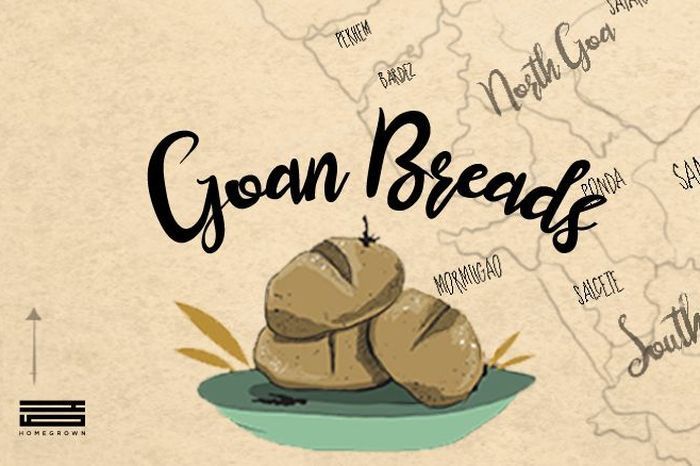
Following are a few Goan Bakeries that have been providing pao to many households:
St. Francis Bakery, Dhauji Road, Old Goa:
This bakery was started in 1972 by Manuel Caitan Fernandes, being the eldest sibling of the family, Manuel had to take care of his siblings causing him to come out of his house and start the bakery business. He originally hails from Betalbatim and later settled at Old Goa, beginning the first-ever bakery of Old Goa, and it continues to remain the first as there’s no other bakery in and around Old Goa although bakeries have been started, but stopped soon after. Talking about the different loaves of bread that they bake, Manuel says “We make Poie, Pao, katricho pao (scissored bread), formache.” He continues saying “We also take orders for kankda (bangle-shaped bread, served with tea or soupy dishes), pokshie, toast, roll bread and ball – it is a special kind of bread made with ghee, cashewnuts, sugar and different kinds of ingredients mixed in dough, it’s a big tasty bread!”
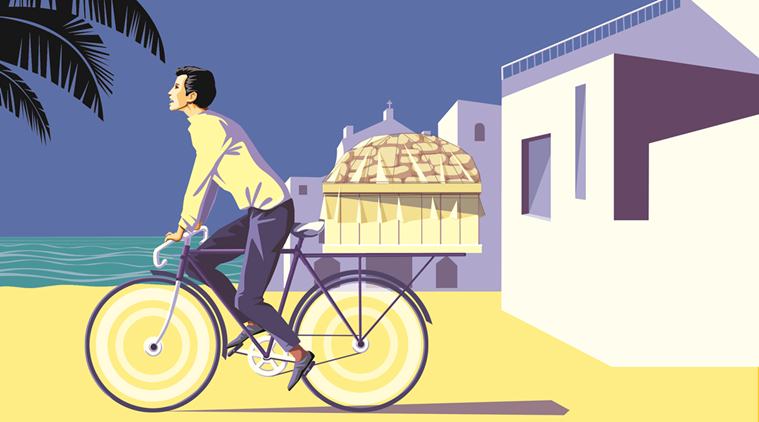
The bakery bakes about 800 pieces of bread of three different types – Pao, katricho pao (scissored bread) and formache. The unsold bread is then purchased by people who want to feed their pigs. The areas are marked up to which the poder can go deliver bread and beyond which they aren’t allowed to as there is another breadman in that area. “My daughter is a trained teacher and my son has migrated to London; I doubt he’ll work in the same business as I am although he has done his course in bakery products,” says Manuel. Most numbers of the sales happen during the academic year and the least is in the summer vacation as most of their bread since it’s taken on order and they’re delivered to the center for the handicapped and other convents here, and during May, they all go for vacation. People come to the bakery to bake their cake too! Prices have changed over the years Manuel says, “initially the bread would be sold at four pieces of bread for a rupee, today one bread costs four rupees.” With an increase in resources, prices have also increased. “Poder delivering loaves of bread on the cycle is more efficient than on bikes as everyone has a picture of the poder on the cycle honking when he comes along. It is also pocket and environment-friendly using cycles. We have three people working for us, who do the deliveries as well.”
The bread is delivered twice a day – early morning and evening
Taleigao Bakery:
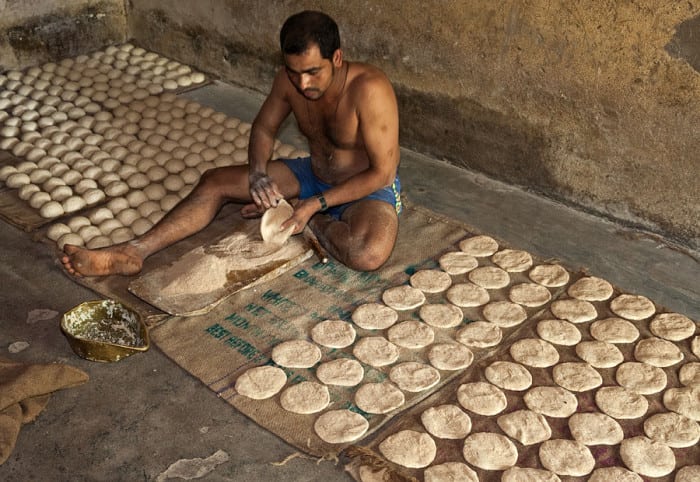
This bakery was started by Fanny D’silvas Father in law which was later passed onto her husband and now her. The bakery bakes only one batch of bread mainly – pokishe, pao, and poie. The bakery starts its baking process from 2:15 – 4, it opens at 6am and closes at 10 pm. The bakery produces about 100 – 200 pieces of bread – unde, pokshie only on order otherwise daily they bake about 500 pieces of bread a day. When her father in law runs the bakery, they used to produce different kinds of bread like kankda (bangles) katricho pao (scissored bread) and other different types of bread. There was a room that was stacked up with wood that would be used later during the monsoon. Fanny says, “Buying wood today is expensive, hence we keep them ready well in advance before the monsoon season.”
Gonsalves Bakery, Patto, Ribander:
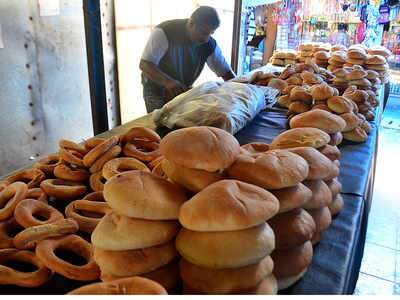
Gonsalves Bakery was started by Anacleto Godinho’s Grandfather and his brother which was further passed on in the family and presently works in rotation responsibility of 4 months between Anacleto and his cousin Wilson Gomes. Currently, Anacleto has the responsibility of the bakery from April to July after which, his cousin Wilson takes over for the next 4 months i.e. August to November. Talking about the bakery he says “We bake one batch of bread – Pao, Poie, Pokshie, Kankda, and katricho pao, producing 40kgs a day.” The process of kneading the dough starts at 10:30 am with the right amount of maida, water, and yeast, this gets done within an hour. Around 2 pm the actual process of making bread begins and baking of bread starts from 5 pm until 8 pm. Anacleto continues saying “Our best-selling item is the pokishe and least in kankda (bangles), we specialize in making katricho pao.”

On asking if his children want to continue the business he replies “At the moment, the younger generation is not interested to continue this business. I have a daughter and she isn’t interested to continue the same.” The bakery currently has two people working – the owner and worker who do the entire work. There is no breadman going door to door selling the bread, customers come to the bakery to buy hot and fresh loaves of bread from 5:30 pm until 10 pm. On asking makes this bakery special, Anacleto “The bread is baked with no preservatives and there’s a fresh batch of bread every day. The bread is baked in a traditional wood-fired oven which gives out the delicious aroma and the outer golden crust on the bread which is healthy.
 Binge Travels
Excellent Work…Keep Going✌️
LikeLiked by 1 person
Thank you!
LikeLike